
Many cannabis brands struggle with this because gram-to-size relationships aren't intuitive. A gram of fluffy sativa takes up noticeably more room than a gram of dense indica, and neither behaves like a gram of shatter. Add child-resistant closures, state labeling rules, and gusset variations between suppliers, and sizing turns into a genuine compliance and branding decision.
This guide breaks down standard Mylar bag sizes, their real-world dimensions, and how to choose correctly whether you're launching your first SKU or scaling toward pallet-level production.
Key Takeaways
- Standard sizes map to 1g, 3.5g (eighth), 7g (quarter), 14g (half), 28g (ounce), and pound formats
- Real capacity depends on strain density and product type, not the gram label alone
- Child-resistant closures are required in most U.S. legal markets and reduce usable bag volume
- Right-sizing cuts material waste and keeps products looking full on the shelf
- Scaling from pilots to mass distribution means matching bag dimensions and order volume to each growth stage
What Mylar Weed Bag Sizes Represent
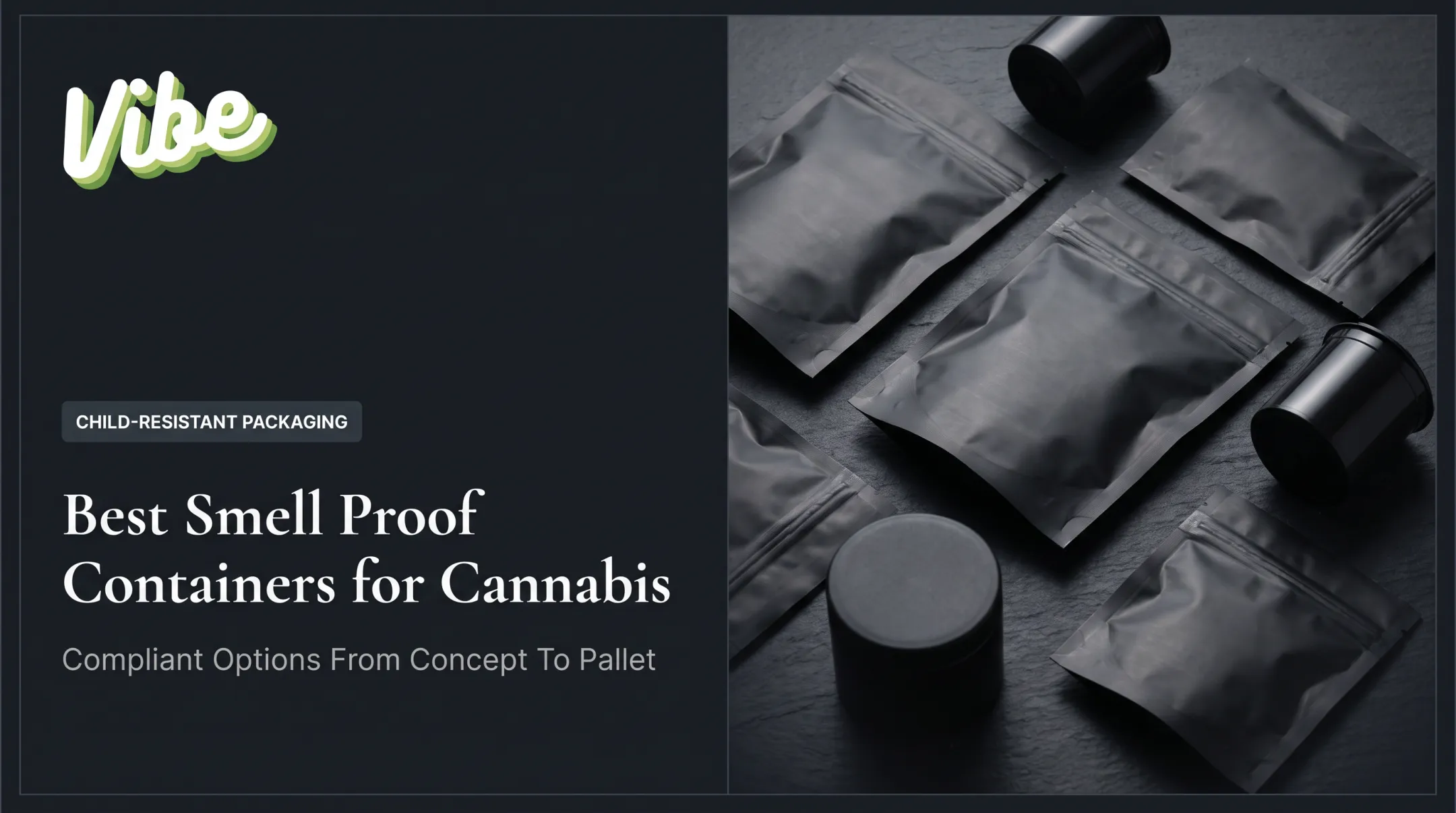
Mylar bags are multi-layer barrier pouches, typically built from polyester film laminated with foil or metallized layers. That construction blocks light, moisture, and oxygen from degrading flower, concentrates, and pre-rolls over time.
"Size" here means two things at once:
- Weight capacity: how many grams or ounces the bag is designed to hold
- Physical dimensions: width, height, and gusset depth in inches
Choosing a size isn't just about fit. State regulations often dictate how much labeling space a bag needs and whether it must include a child-resistant closure. Get the dimensions wrong, and you may not have room for required compliance text at all.
Factors That Influence Real-World Capacity
A bag rated for "3.5 grams" doesn't hold 3.5 grams of every strain equally.
- Strain density varies: fluffy sativa-dominant flower fills a bag faster by volume than dense indica, even at identical weight
- Manufacturing tolerances differ: gusset depth and seal width shift slightly between suppliers, changing usable volume even within the "same" size
- Product type matters: flower, pre-rolls, and concentrate syringes need different bag shapes, not just different sizes
This is why two suppliers' "pound bags" can differ by inches. One common pound format runs 11.6" x 17.6", while other suppliers list 13" x 15" for the same nominal weight. Neither is wrong. They're just built differently.
Standard Mylar Weed Bag Sizes and Dimensions
Sizes track common cannabis purchase weights, but published dimensions are nominal. Confirm exact specs with your supplier before ordering.
1 Gram Bags
Typically around 3" x 4". Best for samples, promo giveaways, and small concentrate portions when branding space is limited.
3.5 Gram (Eighth) Bags
The dispensary workhorse, generally 3.5" x 5". It's the most common retail format—compact enough to control cost, with enough face area for real brand presence.
7 Gram (Quarter) and 14 Gram (Half) Bags
- 7g (quarter): roughly 4" x 6"
- 14g (half): roughly 5" x 8"
These serve value-focused buyers who want more product without stepping up to a full ounce.
28 Gram (Ounce) and Pound Bags
- 28g (ounce): roughly 6" x 9", often the legal retail maximum in many states
- Pound bags: ranges from 11.6" x 17.6" to 13" x 15" depending on supplier, built for wholesale and commercial storage
| Nominal Weight | Typical Dimensions (W x H) | Common Use |
|---|---|---|
| 1g | 3" x 4" | Samples, promos, concentrate portions |
| 3.5g (eighth) | 3.5" x 5" | Standard retail flower |
| 7g (quarter) | 4" x 6" | Value buyers |
| 14g (half) | 5" x 8" | Bulk-adjacent purchases |
| 28g (ounce) | 6" x 9" | Legal retail max in many states |
| 1 lb | 11.6" x 17.6" to 13" x 15" | Wholesale/commercial |

Note: Gusset depth isn't consistently published across suppliers, so confirm it before finalizing a production run.
Choosing the Right Bag Size for Your Product Line
Start with your sales data, not guesswork. According to Headset's cannabis industry data, flower appears in 37.8% of dispensary baskets, pre-rolls in 32.4%, and vape pens in 29.8%, based on tracked transactions across 16 U.S. state markets.
Single-gram flower averaged $8.94, eighths averaged $20.64, and full ounces averaged $48.10 in June 2026 pricing. If your primary SKU is an eighth, size around that — don't default to a one-size-fits-all ounce bag "just in case."

When to size up or down:
- Size up for fluffy, low-density strains that need more volume per gram
- Size down for dense concentrates or pressed products where a standard bag leaves excess dead space
- Go specialized for pre-rolls and vape cartridges, which need custom shapes rather than a flat pouch built for loose flower
A five-pack of pre-rolls needs structure a flat 3.5g bag simply doesn't provide. That geometry gap is where a packaging partner earns its keep.
VibePKG works with cannabis brands to identify correctly sized, production-ready Mylar packaging as part of an end-to-end design and fulfillment process, supporting everything from boutique pilot runs to mass-distribution programs.
Child-Resistant Requirements and Compliance Considerations
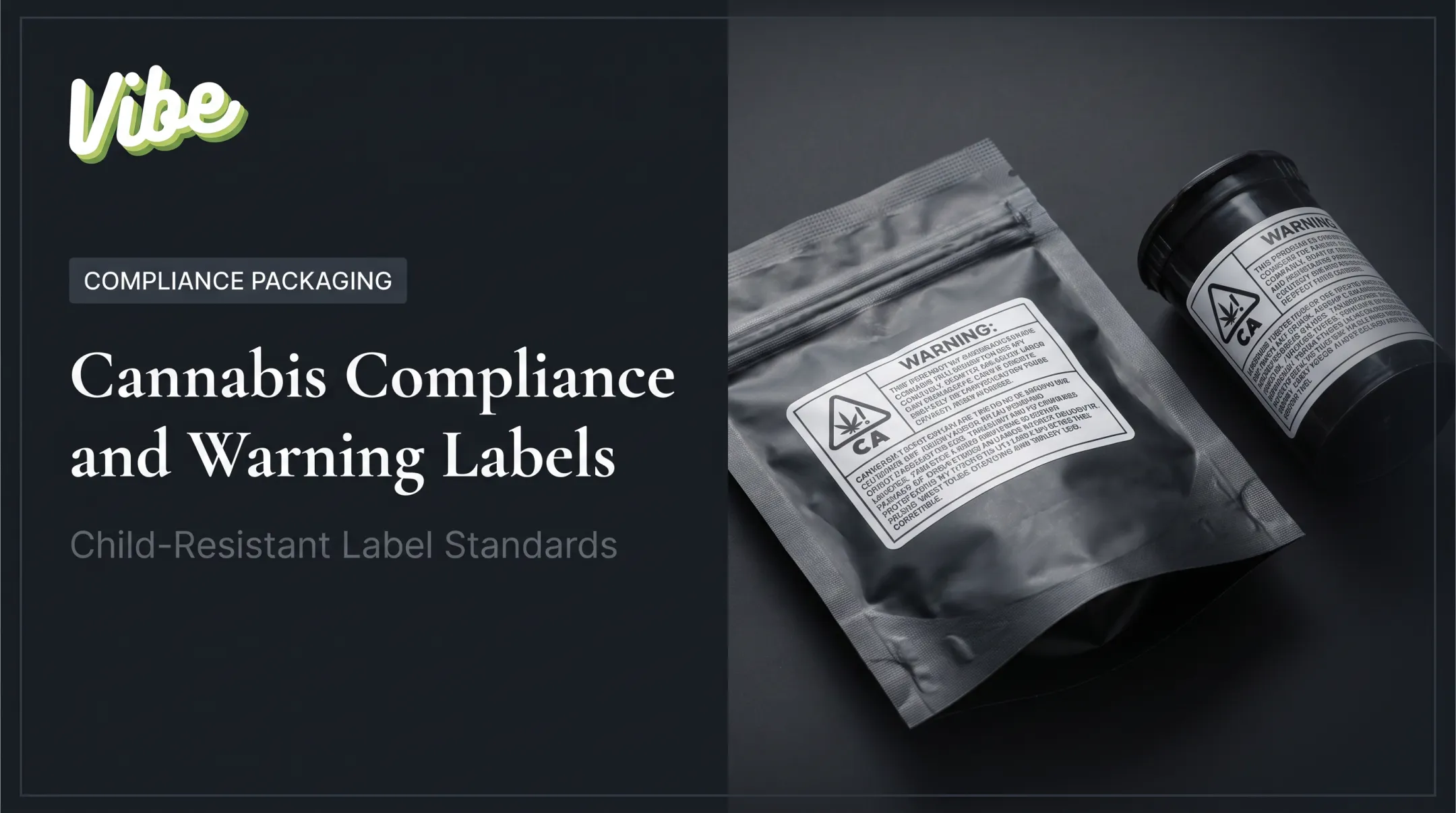
Most U.S. states require CR-certified closures on cannabis Mylar bags. In nearly every legal market that rule is mandatory, and the closure style directly affects usable capacity and which bag size you should order.
- California: CRP required for all cannabis goods; heat-sealed plastic at least 4 mil thick with no easy-open tab can qualify as single-use CRP
- New York: CR packaging required for the product’s full lifespan, plus tamper-evident features that don’t hide labeling after opening
- Federal (16 CFR 1700): Must pass child-resistance testing (about 80–85% effective in protocol) while staying usable for adults
CR closures add material and mechanism space, so usable capacity can run slightly below a standard resealable zipper. Build that loss into your size choice before you commit to artwork.

Verify state labeling rules before you lock bag size and print. VibePKG helps brands sort CR certification and state-specific labeling in the design phase, so you are not stuck with a print run that fails a target state’s requirements.
Common Mistakes When Sizing Mylar Bags
Three mistakes show up again and again:
- Assuming weight alone determines size. Density matters as much as grams. A bag sized for dense indica will look half-empty with fluffy sativa.
- Over-ordering large-format bags. Larger bags aren’t automatically better. Oversized bags waste material and make products look under-filled on the shelf, which hurts perceived value.
- Ignoring gusset depth differences between suppliers. Switching vendors without checking gusset specs can produce inconsistent fill appearance across production runs, even when everything else on the label stays the same.
Match bag volume to flower density, aim for a full-looking fill, and confirm gusset depth before you switch suppliers or reorder.
Frequently Asked Questions
Is 3.5 grams an eighth of an ounce?
Yes. 3.5 grams equals 1/8 ounce (exactly 3.54375g under NIST avoirdupois conversion). It's the most common dispensary size because it balances affordability with enough product to matter.
What is 7 grams of weed called?
Seven grams is commonly called a "quarter," short for a quarter ounce (1/4 oz, or exactly 7.0875g).
How big is a 1 ounce bag of weed?
Typically around 6" x 9". This is often the legal retail maximum for flower purchases in many states.
How big is a 7-gram bag of weed?
A quarter-ounce bag typically measures around 4" x 6", though exact dimensions vary by supplier.
What are the standard sizes of Mylar bags?
The standard lineup runs from 1g up to 1 lb: 1g, 3.5g, 7g, 14g, 28g, and pound bags. Custom sizing is also widely available for pre-rolls, vape products, and unique SKUs.
What is the recommended thickness for Mylar bags?
Thickness varies by supplier and use case, generally 3 to 5 mil. Thicker films offer more durability for bulk and commercial bags, while retail-sized bags can often use lighter gauges.